Every bridal season has a mood. 2026's is a conversation between two forces: a full-hearted return to heritage — farshi ghararas, hand zardozi, jamawar — and a modern bride who edits everything to her own taste. The result is the most interesting Pakistani bridal year in a decade.
Whether your wedding is in Islamabad, Lahore, or you're a bride planning from London, Toronto or Dubai, here is the complete picture of Pakistani bridal dresses in 2026 — by event, colour, fabric and silhouette.
The Big Shifts of 2026
-
Heritage maximalism for the barat — full-field hand embroidery is back; brides are asking for the pieces their grandmothers would recognise
-
Tone-on-tone pastels for the walima — heavy work in quiet colours; texture over contrast
-
The farshi gharara revival — the royal silhouette of the year, for nikkahs and barats alike
-
White and ivory nikkah dresses — now a defining modern look, not an exception
-
Capes and structured jackets — replacing the second dupatta for walimas and receptions
Barat Dresses in 2026: The Return of Deep Red
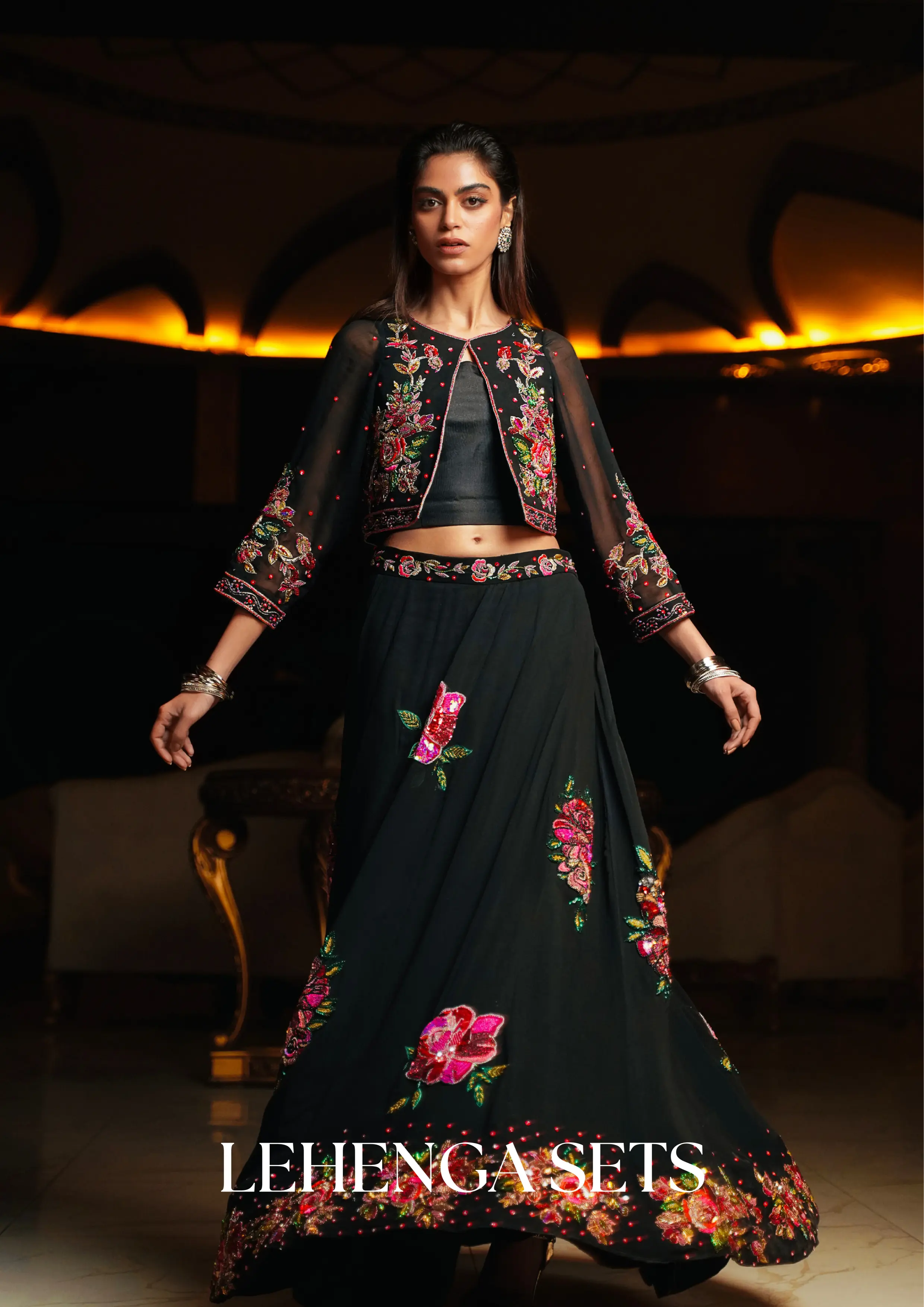
The barat remains red's kingdom — but 2026 reds are deeper and moodier: maroon, garnet, burnt rust and rani pink alongside the classic scarlet. Silhouettes are traditional — flared lehengas, lehenga-gharara hybrids — carried on raw silk and jamawar bases that hold dense zardozi and kamdani work.
What's changed is the styling: cleaner blouses, a single statement dupatta instead of layers, and heritage jewellery (kundan, polki) doing the talking. Explore this register in our Bridal collection and Lehengas.
Walima Looks: Pastel, But Make It Heavy
2026's walima bride wears ice blue, champagne, blush, pistachio or silver-grey — with embroidery only a shade away from the base fabric. The drama comes from texture and density, not colour contrast. Gown-lehenga hybrids lead in hotel ballrooms; capes and trails are the finishing touches of the season.
Nikkah: Luminous and Light
Ivory and white organza, delicate kamdani, farshi ghararas and flowing peshwas — the 2026 nikkah look is serene and daylight-friendly. See our Festive collection for this register of work.
The Fabrics of 2026
Handwork Worth Investing In
Zardozi (raised metallic threadwork), kamdani/mukaish (hand-applied metallic dots), and tone-on-tone resham define 2026's couture. The honest rule: hand embellishment takes 3–5 months and hundreds of artisan hours — if a price or timeline seems too good to be true for handwork, it isn't handwork.
For Brides Planning From Abroad
Diaspora brides drive much of the 2026 season — and ordering from the US, UK, Canada or Gulf is now a refined process: virtual consultation, guided remote measurements, progress updates, insured shipping. Start 7–9 months out. Our studio handles international brides routinely; book a virtual consultation to begin.
How to Wear 2026 Without Being Worn By It
Trends are a menu, not a mandate. The brides who look best in any year's photographs chose silhouettes for their body, colours for their skin tone, and handwork they genuinely love. Use 2026's direction — heritage craft, quiet pastels, luminous nikkah whites — as a starting point, then make it yours.
Frequently Asked Questions
What are the bridal colour trends in Pakistan for 2026? Deep reds (maroon, garnet, rani pink) for the barat; tone-on-tone pastels (ice blue, champagne, blush) for the walima; ivory and white for the nikkah.
Which bridal silhouette is trending in 2026? The farshi gharara is the revival of the year, alongside classic flared lehengas for barats and gown-lehenga hybrids for walimas.
How early should I order a 2026 bridal dress? 5–6 months before your event for hand-embellished pieces; 7–9 months if ordering from abroad.
Are white bridal dresses acceptable for Pakistani weddings? Yes — ivory and white are now a defining modern nikkah look, styled with traditional handwork and heritage jewellery.
Dressing for a 2026 wedding? Explore the Bridal collection or book a consultation at our studio — F-7 Markaz, Union Gold Mall, 1st Floor, Islamabad. Virtual appointments available worldwide.